Artificial intelligence for climate-health early warning systems in the Horn of Africa: opportunities, challenges, and a roadmap for action
- Published
- 17 September 2026
- DOI
- 10.1186/s12992-026-01233-9
- Views
- 2
- Reads
- 0
- Citations
- 0

Abstract
Climate extremes, conflict, and population displacement converge in the Horn of Africa to accelerate outbreaks of climate-sensitive infectious diseases, whereas existing health surveillance systems remain fragmented and largely reactive. This Perspective examines the potential of artificial intelligence (AI) to strengthen climate-health early warning by integrating satellite earth observations, routine disease surveillance, and mobility-based vulnerability indicators into anticipatory decision support systems. Drawing on global experience and region-specific constraints, we identified critical barriers to implementation, including data fragmentation, infrastructure gaps, workforce shortages, governance silos, and unresolved ethical risks. We propose a five-layer conceptual framework for an AI-enabled Climate-Health Early Warning System (CHEWS) tailored to fragile and conflict-affected settings, alongside a phased regional policy roadmap anchored within the Intergovernmental Authority on Development (IGAD). Emphasizing data sovereignty, participatory governance, and privacy-by-design, this study positions AI-CHEWS as a feasible pathway for shifting the region from reactive outbreak responses to anticipatory public health actions that enhance climate resilience and equity.Clinical Trial Number: The authors declare that they have no competing interests.
Continue reading this article
The abstract is always free. The full text, figures and PDF are available with a one-off purchase or an all-access subscription.
One payment, permanent access
- Full text and figures
- Permanent access, read any time
- Saved to your library
Every article, every field
- Unlimited reading
- All subject areas
- Cancel any time
Related research
 Full text requires access
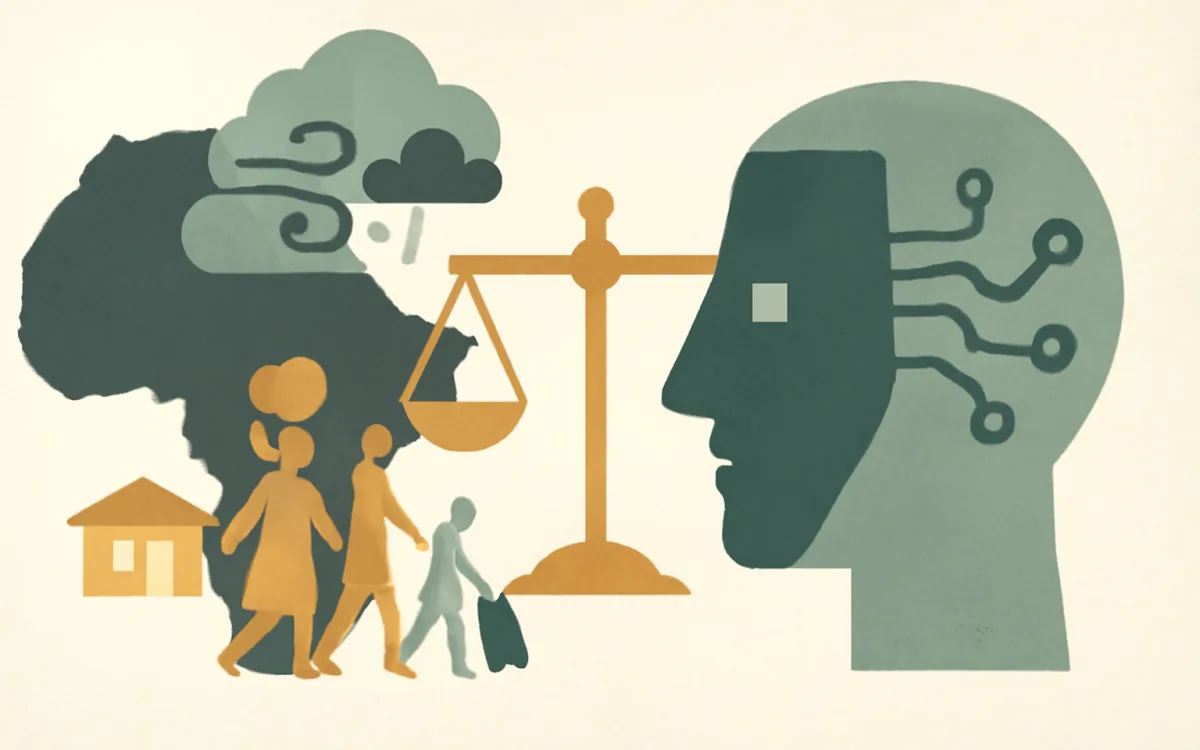
Mobility as climate change adaptation in South Africa: Exploring the legal and policy significance of artificial intelligence
This study explores the intersection of mobility, climate change adaptation and artificial intelligence (AI) in South Africa. As climate change impacts mobilit…
 Full text requires access
Application of Artificial Intelligence in analysing meteorological data for health research: A rapid review
Introduction: Artificial intelligence (AI) has rapidly advanced as a key analytical tool for processing complex datasets across disciplines, including environm…
 Full text requires access
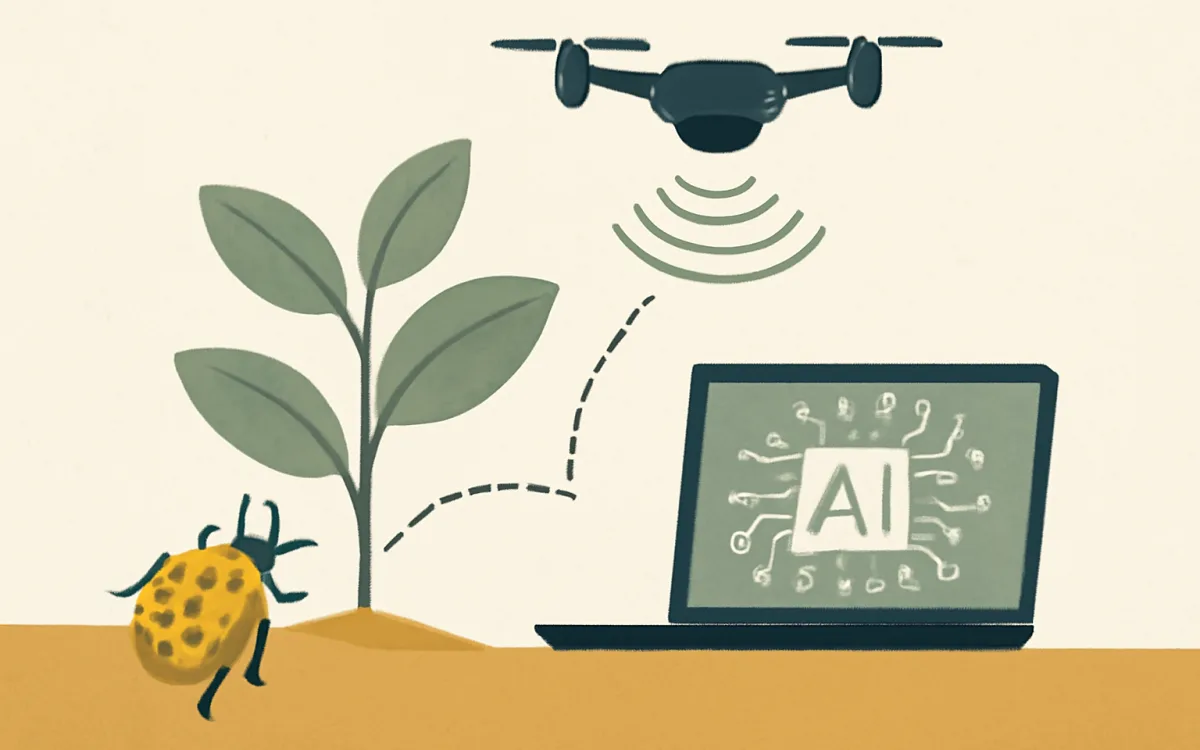
From detection to action: artificial intelligence in integrated pest and invasive plant management
Global agriculture faces growing threats from pests, pathogens, and invasive species, intensified by climate change and biodiversity losses. Conventional appro…
 Full text requires access
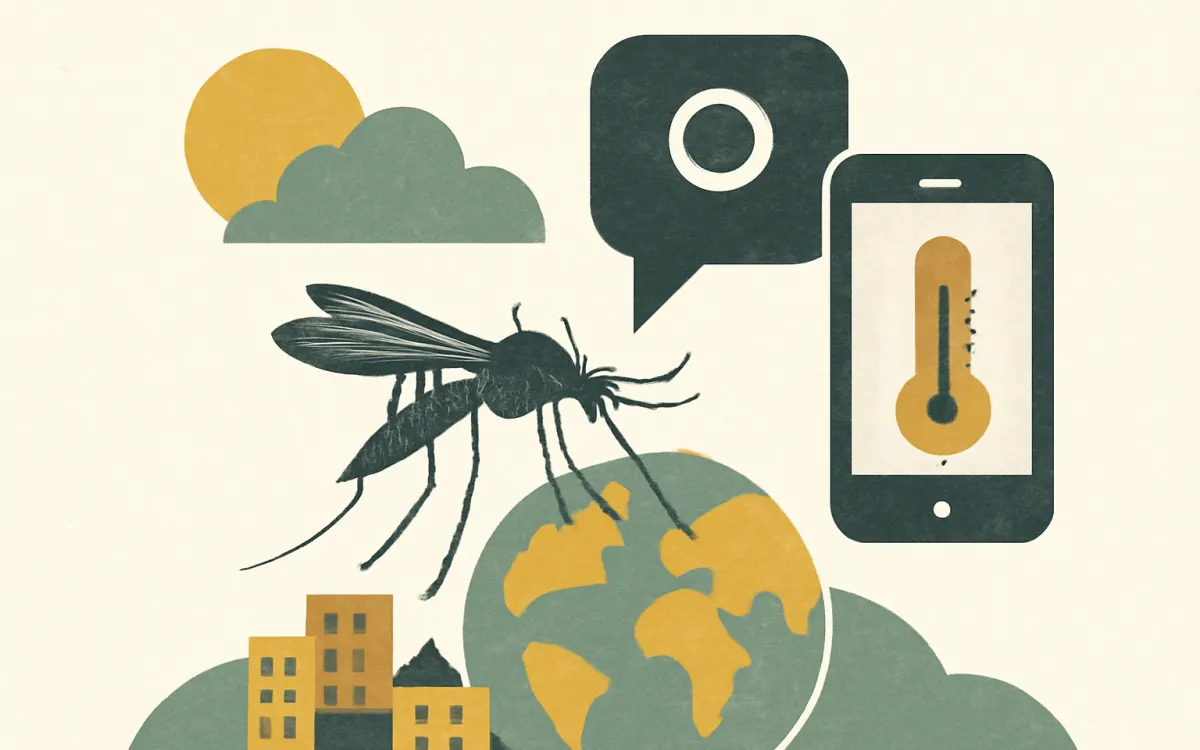
Rethinking Dengue Preparedness in the Era of Climate Change, Urbanisation, and Digital Health: A Structured Narrative Review
Background and Objectives: Dengue is emerging as a multifaceted public health challenge that extends beyond traditional vector-borne disease frameworks. Climat…