Application of Artificial Intelligence in analysing meteorological data for health research: A rapid review
- Published
- 17 September 2026
- DOI
- 10.1007/s11869-026-02085-3
- Views
- 2
- Reads
- 0
- Citations
- 0

Abstract
Introduction: Artificial intelligence (AI) has rapidly advanced as a key analytical tool for processing complex datasets across disciplines, including environmental and health research. Meteorological data is increasingly used to understand and mitigate health risks, often linked to climate change. This rapid review aims to synthesise studies involving AI for meteorological data applications in health research to better understand its use. Methods: PubMed, Web of Science, and Scopus were systematically searched from 2020 to 2025 following a standardised framework in line with PRISMA-RR guidelines. Eligible studies included any empirical design involving human-related health research where AI techniques were applied to meteorological data. Two reviewers independently screened studies, extracted data, and synthesised findings narratively. Results: Twelve studies met eligibility criteria. Despite heterogeneity in study design and sample size, most examined the impact of extreme pollution levels and temperature variations on the prevalence and severity of respiratory, bacterial, and other diseases. AI methods primarily included Random Forest models, as well as time-series and clustering analyses. Model performance was commonly evaluated using sensitivity; however, methodological justification was often insufficiently recorded. Conclusion: Overall, findings suggest that incorporating meteorological variables enhances the prediction of health outcomes, although detailed population characteristics were frequently underreported. This restricts the generalisability and applicability of AI-driven health models incorporating meteorological data, with stronger methodological rigour and clearer reporting standards needed to support reliable future development.
Continue reading this article
The abstract is always free. The full text, figures and PDF are available with a one-off purchase or an all-access subscription.
One payment, permanent access
- Full text and figures
- Permanent access, read any time
- Saved to your library
Every article, every field
- Unlimited reading
- All subject areas
- Cancel any time
Related research
 Full text requires access
Artificial intelligence for climate-health early warning systems in the Horn of Africa: opportunities, challenges, and a roadmap for action
Climate extremes, conflict, and population displacement converge in the Horn of Africa to accelerate outbreaks of climate-sensitive infectious diseases, wherea…
 Full text requires access
Mobility as climate change adaptation in South Africa: Exploring the legal and policy significance of artificial intelligence
This study explores the intersection of mobility, climate change adaptation and artificial intelligence (AI) in South Africa. As climate change impacts mobilit…
 Full text requires access
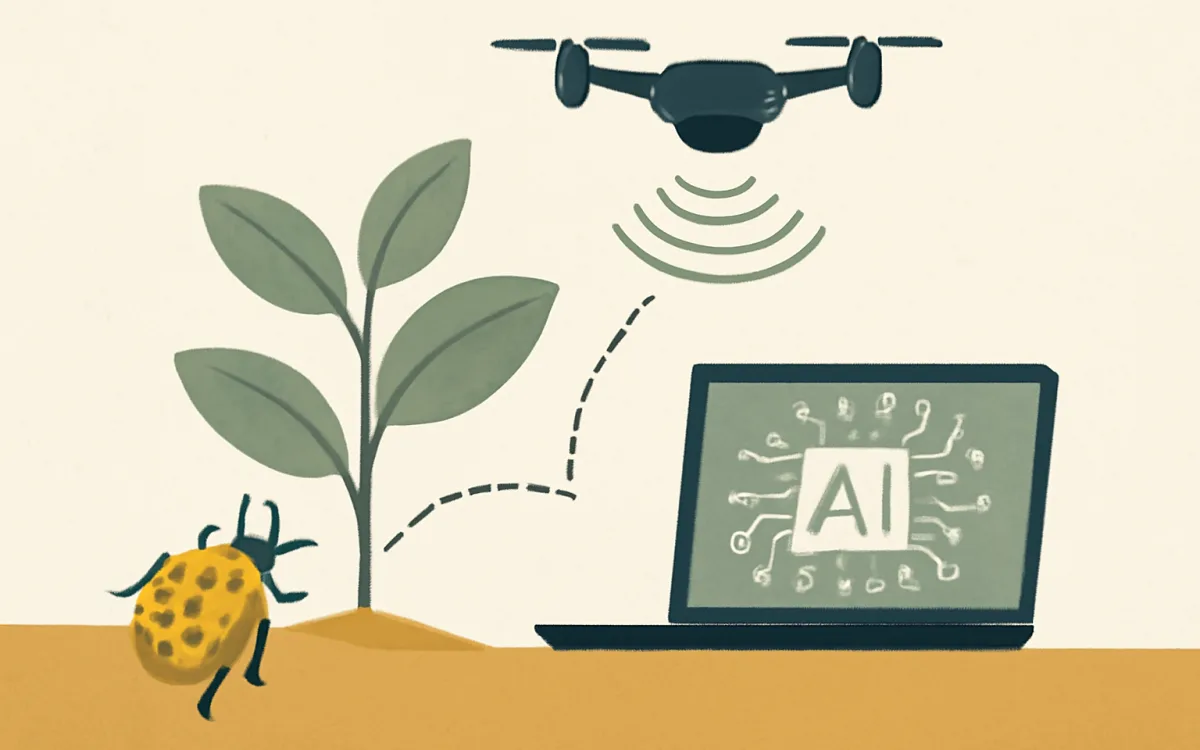
From detection to action: artificial intelligence in integrated pest and invasive plant management
Global agriculture faces growing threats from pests, pathogens, and invasive species, intensified by climate change and biodiversity losses. Conventional appro…
 Full text requires access
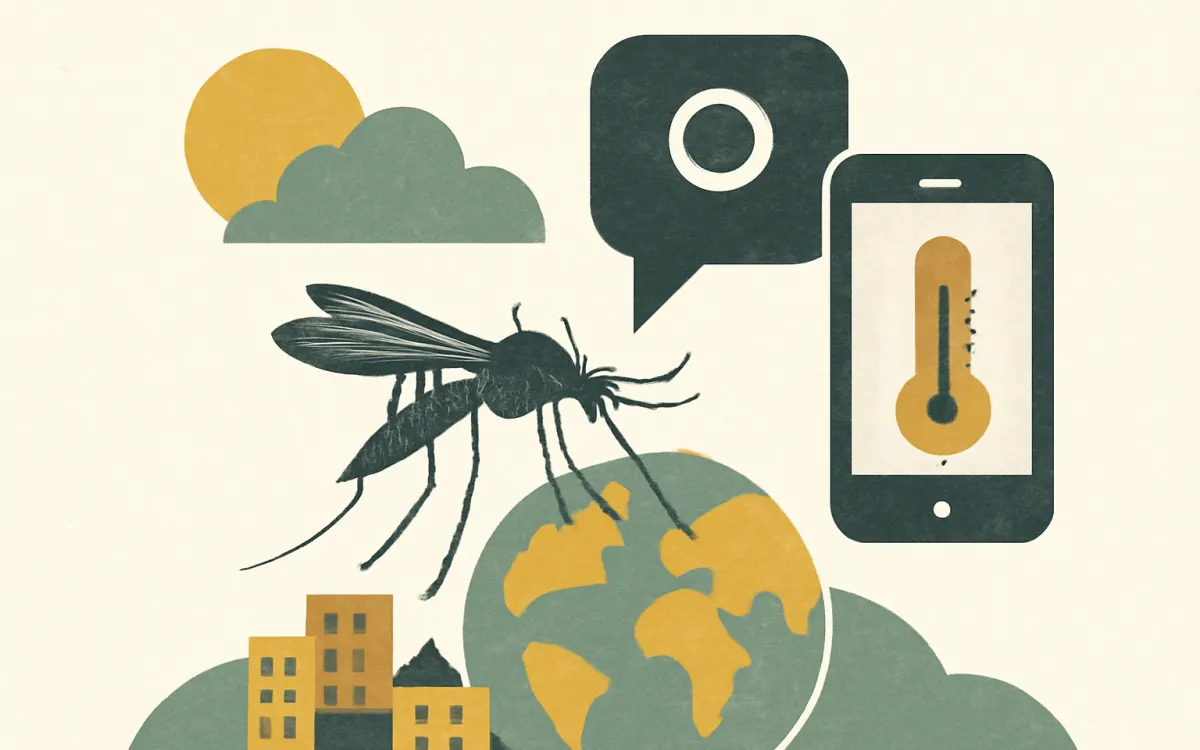
Rethinking Dengue Preparedness in the Era of Climate Change, Urbanisation, and Digital Health: A Structured Narrative Review
Background and Objectives: Dengue is emerging as a multifaceted public health challenge that extends beyond traditional vector-borne disease frameworks. Climat…